



Showing 1–20 of 25 resultsSorted by popularity






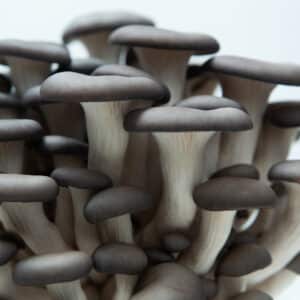
Mushroom fruiting blocks contain colonised substrate prepared to support mushroom growth. Once you receive your block, the next steps depend on the mushroom variety and its fruiting requirements.
Follow the instructions supplied for your specific mushroom variety. Depending on the species, you may need to make an opening in the bag to allow mushrooms to grow through it. Different varieties can fruit from the side or top of the block, so avoid removing the entire bag unless the growing instructions recommend it.
Temperature, humidity, fresh air exchange, and light can all influence mushroom development. Requirements vary between varieties. For example, some Oyster mushrooms prefer cooler conditions, while Phoenix Oyster mushrooms can tolerate warmer temperatures. Check the recommended conditions for your selected variety before starting.
Mushroom fruiting blocks need appropriate moisture levels and fresh air to develop properly. Avoid allowing the exposed substrate to dry out, and follow the watering guidance for your variety. Excessive moisture or insufficient ventilation can also affect development, so aim for a suitable balance.
Depending on the variety and growing conditions, a fruiting block may produce more than one flush of mushrooms. After harvesting, follow the recommended care instructions to determine whether the block is ready for another flush. Results vary with the mushroom strain, environment, and block condition.
Different mushroom varieties offer different growing characteristics and appearances. Rootlab’s range allows growers to explore familiar favourites alongside less common varieties.
| # | Mushroom Variety | What Makes It Distinctive | Temperature | Humidity | CO₂ Concentration |
|---|---|---|---|---|---|
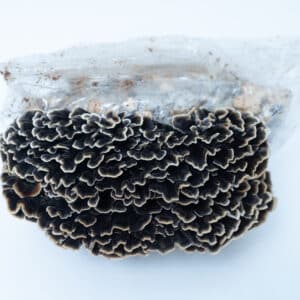
| 1 | Turkey Tail | Thin, fan-shaped fruiting bodies with colourful, concentric bands | 18–24°C | 85–95% RH | Below 1,000 ppm |
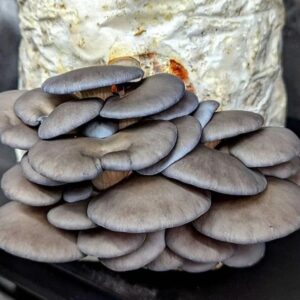
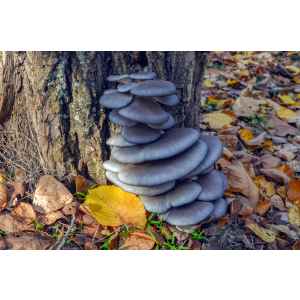
| 2 | Grey Oyster | Grey, fan-shaped caps that typically develop in overlapping clusters | 15–22°C | 85–95% RH | Below 800 ppm |
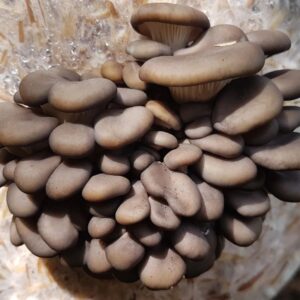
| 3 | Chocolate Oyster | Oyster mushroom with darker, brown-toned caps | 15–22°C | 85–95% RH | Below 800 ppm |
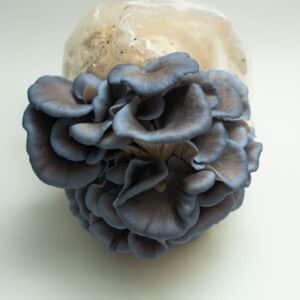
| 4 | Curly Blue Oyster | Blue-toned caps with clustered growth; colour can change as mushrooms mature | 10–18°C | 85–95% RH | Below 800 ppm |
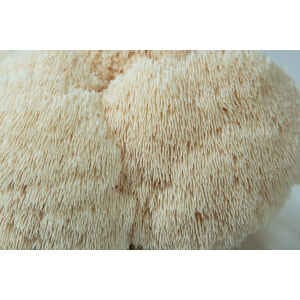
| 5 | Lions Mane Synapse | Distinctive white, cascading spines and a soft, shaggy appearance | 16–21°C | 85–95% RH | Below 800–1,000 ppm |
| 6 | Brown Shimeji | Brown caps and clustered growth; valued for its culinary uses | 13–20°C | 85–95% RH | Below 1,000 ppm |
| 7 | Lions Mane Claw Heat Tolerant | Lion’s Mane variety selected for improved performance in warmer conditions | Confirm strain-specific range | 85–95% RH | Below 800–1,000 ppm |
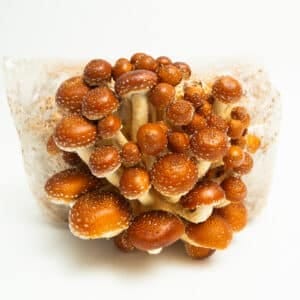
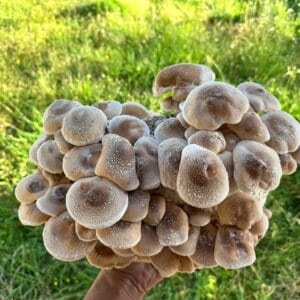
| 8 | Chestnut | Brown caps with pale flecks and tightly clustered growth | 13–21°C | 85–95% RH | Below 800–1,000 ppm |
| 9 | Blue Shimeji | Listed by Rootlab as an Oyster-type mushroom with blue-grey tones | 10–21°C | 85–95% RH | Below 800 ppm |
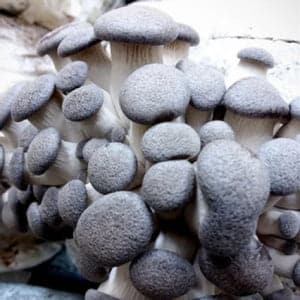
| 10 | Black King Oyster | Dark caps and thick stems; a King Oyster-type hybrid according to the product listing | 15–21°C, provisional | 85–90% RH | Below 800–1,000 ppm |
| 11 | Shiitake 5000 | Brown caps and a rich, savoury flavour | 10–21°C | 80–90% RH | Below 1,000 ppm |
| 12 | Shiitake 3782 | Shiitake variety with characteristic brown caps and culinary appeal | 10–21°C | 80–90% RH | Below 1,000 ppm |
| 13 | Princess of Pearl Oyster | Oyster mushroom with clustered growth and rounded, overlapping caps | 15–22°C | 85–95% RH | Below 800 ppm |
| 14 | Phoenix Oyster | Adaptable Oyster variety known for tolerating warmer fruiting conditions | 18–27°C | 85–95% RH | Below 800 ppm |
| 15 | Native Pearl Giant Oyster | Oyster-type mushroom with substantial, overlapping caps | 15–22°C | 85–95% RH | Below 800 ppm |
| 16 | Native Australian Reishi | Australian native Reishi with a distinctive reddish-brown fruiting body | 21–29°C, provisional | 85–95% RH | Depends on desired growth form |
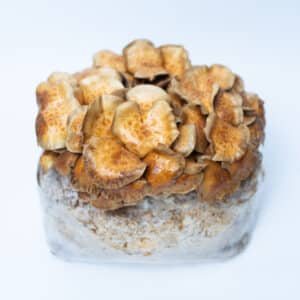
| 17 | Nameko | Amber-brown caps with a characteristic glossy surface | 10–18°C | 90–95% RH | Below 800 ppm |
| 18 | Lions Mane Pride | White, cascading growth with a shaggy, icicle-like appearance | 16–21°C | 85–95% RH | Below 800–1,000 ppm |
| 19 | King of Pearl Oyster | Oyster variety known for overlapping caps and clustered growth | 15–22°C | 85–95% RH | Below 800 ppm |
| 20 | Blue Pearl Oyster | Blue-grey caps and clustered Oyster mushroom growth | 10–21°C | 85–95% RH | Below 800 ppm |
| 21 | Yellow Oyster | Bright yellow caps that provide a distinctive appearance | 21–30°C | 85–95% RH | Below 800 ppm |
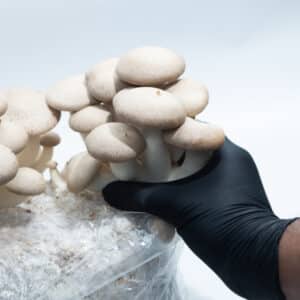
| 22 | Snow White Oyster | Pale white caps that can develop into broad, overlapping clusters | 15–22°C | 85–95% RH | Below 800–1,000 ppm |
| 23 | Warm White Oyster | White caps and a familiar clustered Oyster mushroom form | 15–22°C | 85–95% RH | Below 800–1,000 ppm |
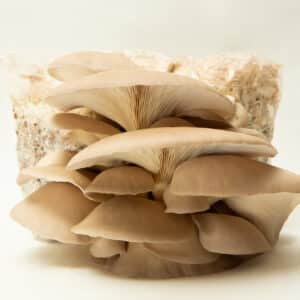
| 24 | Tan Oyster | Tan-coloured caps and overlapping cluster formation | 15–22°C | 85–95% RH | Below 800 ppm |
| 25 | Pink Oyster | Vibrant pink clusters and distinctive fan-shaped caps | 21–29°C | 85–95% RH | Below 800 ppm |
Buying pre-made mushroom fruiting blocks allows growers to focus on fruiting, harvesting, and managing their growing environment rather than preparing every block from the beginning. Rootlab’s 3kg wholesale mushroom fruiting blocks are available in bulk quantities, making them an option for commercial growers who want to cultivate multiple varieties.
You can select from the available varieties and bulk pack options to suit your operation. Before ordering, consider your growing space, temperature control, humidity management, ventilation, and the specific requirements of your chosen mushrooms.
A mushroom fruiting block is a block of substrate colonised by mushroom mycelium and prepared for fruiting. Under suitable conditions, mushrooms can develop from the block without you needing to prepare and inoculate the substrate yourself.
A fruiting block is primarily the prepared growing substrate used to produce mushrooms. A mushroom grow kit may include additional features or instructions intended to make cultivation more convenient. The exact contents depend on the product, so check the individual product description before purchasing.
The quantity varies by mushroom variety, strain, growing conditions, and the condition of the block. Temperature, humidity, fresh air exchange, and moisture management can all influence the final harvest. No single yield figure applies to every 3kg block.
Not necessarily. Your basic requirements depend on the mushroom variety and your growing environment. You may need a way to maintain humidity, provide fresh air, and monitor temperature. Commercial growers may benefit from a dedicated fruiting room or grow tent.
Usually, you should follow the instructions for your specific variety. Some mushrooms fruit through an opening cut into the bag, while other varieties may require a different approach. Removing the bag unnecessarily can expose the substrate to drying and contamination.
Some fruiting blocks can produce multiple flushes when suitable conditions are maintained. The number and size of subsequent harvests depend on the mushroom variety, the block’s condition, and its growing environment.
Fruiting blocks contain a substrate that provides the growing medium for mushroom mycelium. Substrate ingredients vary according to the mushroom species and the grower’s preparation method. Check the individual product details for specific substrate information.
The best choice depends on your growing environment and experience. Oyster varieties are often considered accessible options because many can grow under relatively straightforward conditions. However, temperature preferences differ between varieties, so choose a block that matches your available space and climate.
Storage requirements vary by species and the block’s stage of development. Follow Rootlab’s product-specific storage guidance, and avoid assuming that all varieties can be stored for the same length of time. If you cannot begin growing immediately, check the recommended storage conditions before ordering.
Yes. Rootlab offers its listed 3kg mushroom fruiting blocks in wholesale pack options of 6 or 12, subject to the options available for each product. These formats are designed for farms and growers purchasing multiple blocks.
Check our full catalogue of mushroom growing supplies.

Join the mushroom revolution and sign up to unlock a discount on your first order.

Sign up to our SMS/WhatsApp list and we'll text you with the biggest sales and alerts.
No thanks
Welcome to the Rootlab community! You've unlocked access to:

Plus 5% off your first order — check your inbox!
Join Waitlist
We will inform you when the product arrives in stock.
Please leave your valid email address below.