Showing all 5 resultsSorted by popularity
Key Characteristics of Pink Oyster Mushrooms
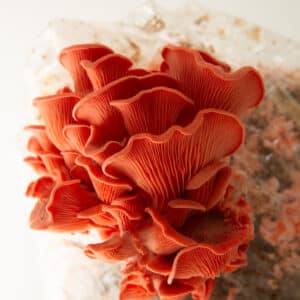
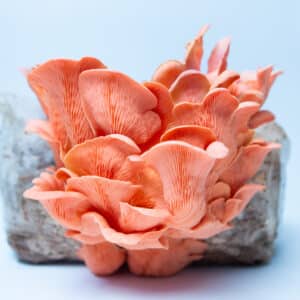
- Appearance: Fresh Pink Oyster mushrooms develop bright coral-pink to deep pink, fan-shaped caps that grow in overlapping clusters. Their vibrant colour gradually fades to golden, beige or orange-brown tones as they mature or are exposed to heat during cooking.
- Flavor and Texture: They have a meaty, chewy texture with a savoury, slightly woody flavour. When pan-fried over high heat, their edges can become crispy, creating a texture sometimes compared to bacon. They should be cooked thoroughly rather than eaten raw.
- Fruiting Temperature: 18°C to 30°C, with warmer conditions generally preferred.
- Difficulty Level: Easy. Pink Oysters are fast colonisers and prolific fruiters. However, they are a warm-weather species and do not tolerate cold conditions well.
- Growth Rate: They develop quickly under suitable conditions, with harvest often possible within 7–10 days after pin formation.
- Indoor and Outdoor Growing: Suitable for indoor growing during warmer seasons and greenhouse environments. In consistently warm climates, they may be grown throughout the year.
- Fresh Mushroom Shelf Life: Freshly harvested Pink Oyster mushrooms have a short shelf life, typically around 1–3 days. Refrigerate promptly and use as soon as possible for the best quality.
Growing Pink Oyster Mushrooms
Pink Oyster mushrooms thrive in warm, humid environments with adequate fresh air exchange. They can grow on several suitable organic substrates and agricultural by-products, making them a versatile option for different growing setups.
Common substrate materials include:
- Straw and hardwood-based materials.
- Sugarcane agricultural by-products.
- Coffee grounds and other suitable plant-based materials.
- Prepared mushroom-growing substrates designed for oyster varieties.
Ready-to-fruit mushroom blocks and grow kits are convenient options for beginners because the substrate is already prepared and colonised. More experienced growers can experiment with different substrate materials and preparation methods.
Beginner Growing Steps for Pink Oyster Mushrooms
Pink Oyster mushrooms are a good starting point for beginners because of their fast growth and straightforward fruiting requirements. A ready-to-fruit mushroom block or grow kit makes the process easier.
Follow these basic steps:
- Choose a Growing Location: Place your mushroom block in a warm area with indirect light and suitable air circulation. Avoid direct sunlight and cold environments.
- Prepare the Block: Follow the instructions supplied with your product. For a ready-to-fruit block, make the recommended opening in the plastic so the mushrooms have space to emerge.
- Maintain Humidity: Mist around the opening 2–3 times per day, following the product instructions. The aim is to maintain moisture around developing mushrooms rather than soak the substrate.
- Provide Fresh Air: Pink Oyster mushrooms need fresh air as they develop. Keep the growing area ventilated while avoiding strong airflow directly onto the developing clusters.
- Watch for Pins: Small mushroom pins will begin appearing around the opening. These gradually develop into larger clusters, often quite quickly in suitable warm conditions.
- Harvest the Clusters: Pick the mushrooms when the caps have developed but are still relatively young and tender. Use a clean knife to remove the cluster without damaging the block.
Beginner tip: Pink Oysters prefer warmer conditions than many other oyster varieties. Monitor temperature, humidity and fresh air exchange throughout the growing process.
Fruiting Temperature and Conditions
Maintaining suitable growing conditions is important for successful Pink Oyster fruiting.
- Temperature Range: 18°C to 30°C.
- Preferred Environment: Warm and humid conditions.
- Fresh Air: Provide adequate ventilation as the mushrooms develop.
- Lighting: Indirect natural or suitable indoor light.
- Humidity: Maintain moisture around the fruiting opening without soaking the mushroom block.
Pink Oyster mushrooms are particularly sensitive to cold conditions. Temperatures outside their preferred range can affect fruiting and mushroom development.
Pink Oyster Mushroom Fruiting Method
Once the growing block is prepared, it will begin forming pins (tiny mushrooms) that emerge through the cut in the plastic. As the mushrooms grow, they gradually widen the opening.
Continue misting 2–3 times per day until the mushrooms are ready to harvest.
The purpose of misting is not to water the block. It already contains the moisture needed for mushroom growth. Instead, misting creates a humid environment around the opening and helps keep developing mushrooms moist.
You may notice mushrooms beginning to grow inside the bag in areas other than the original cut. This is completely normal. Do not open the bag or make additional cuts where you notice this growth, as doing so can interfere with the fruiting process and reduce your overall yield.
Harvesting Pink Oyster Mushrooms
Pink Oysters are known for their rapid fruiting cycle. Once pins appear, the clusters can expand quickly and may be ready for harvesting within approximately 7–10 days under suitable conditions.
For the best appearance and eating quality:
- Harvest the clusters while the caps are still young and tender.
- Avoid waiting until the caps become excessively curled or dry.
- Use a clean knife to remove the cluster close to its base.
- Handle the mushrooms carefully to avoid damaging their delicate caps.
- Harvest promptly once the clusters reach a suitable size.
Regular observation is important because Pink Oyster mushrooms can mature quickly in warm conditions.
Pink Oyster Mushroom Taste, Texture and Culinary Uses
Pink Oyster mushrooms have a meaty texture and a savoury, slightly woody flavour. When cooked properly, they develop a pleasant chewiness, while high-heat cooking can produce crispy edges.
Popular cooking methods include:
- Sautéing: Pan-fry with butter or olive oil until the edges become golden and crisp.
- Stir-frying: Combine with garlic, vegetables, soy sauce and sesame oil.
- Grilling: Season with herbs and oil before grilling.
- Roasting: Roast with vegetables, spices and other ingredients.
- Crispy Mushroom Dishes: Separate the clusters and cook over relatively high heat to develop a crisp exterior.
- Pasta and Risotto: Add to pasta dishes, risotto and creamy sauces.
Popular flavour pairings include:
- Garlic and fresh herbs.
- Soy sauce and sesame oil.
- Butter and olive oil.
- Pasta and risotto ingredients.
- Eggs and vegetable dishes.
For a better texture, avoid overcrowding the pan when cooking. Allow excess moisture to evaporate so the mushrooms can brown properly.
Pink Oyster mushrooms should be cooked thoroughly before eating. Their flavour and texture are generally best appreciated when freshly harvested and prepared soon afterwards.
Pink Oyster Mushroom Storage and Shelf Life
Storage requirements depend on whether you are keeping an unfruited mushroom spawn block or freshly harvested mushrooms.
Spawn Block Storage
- Store the spawn block in the refrigerator upon arrival.
- Follow the storage temperature specified on the product packaging.
- For optimal results, use within 2 months of receiving the block.
- Remove it from the refrigerator approximately 24 hours before use, as instructed.
- Avoid freezing the block.
Fresh Mushroom Storage
- Fresh Pink Oyster mushrooms generally have a short shelf life of around 1–3 days.
- Refrigerate promptly after harvesting.
- Keep them in a suitable breathable container.
- Avoid washing until you are ready to cook.
- Use as soon as possible for the best flavour and texture.
- For longer preservation, mushrooms can be properly dehydrated or cooked and frozen.
Pink Oyster Mushroom Products and Growing Supplies
Whether you are starting your first mushroom-growing project or expanding an existing setup, Pink Oyster mushroom products offer several ways to get started.
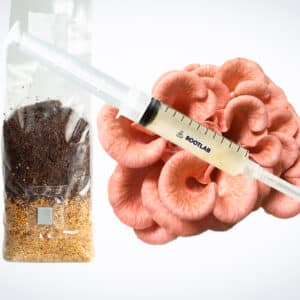
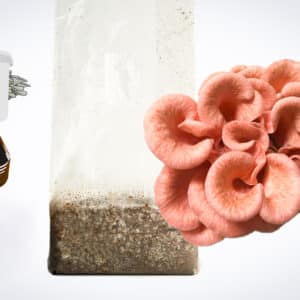
Depending on your preferred growing method, available options include liquid culture syringes, mushroom spawn, ready-to-fruit blocks and grow kits. Beginners can choose a prepared growing block, while more experienced growers may prefer liquid cultures or spawn for their own substrate preparation.
At Rootlab, you can explore Pink Oyster mushroom products and growing supplies suited to different experience levels and setups. Choose an option that matches your available space, growing conditions and preferred growing method.